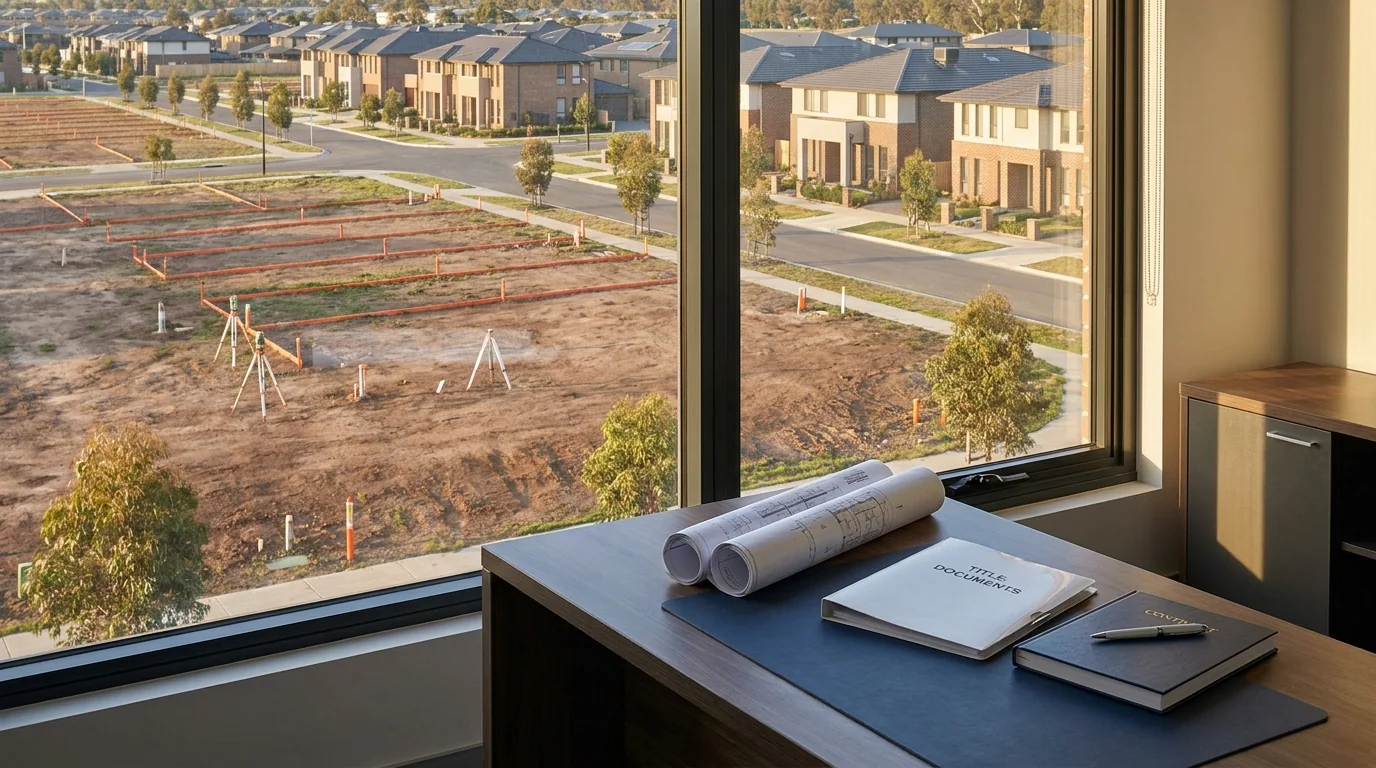
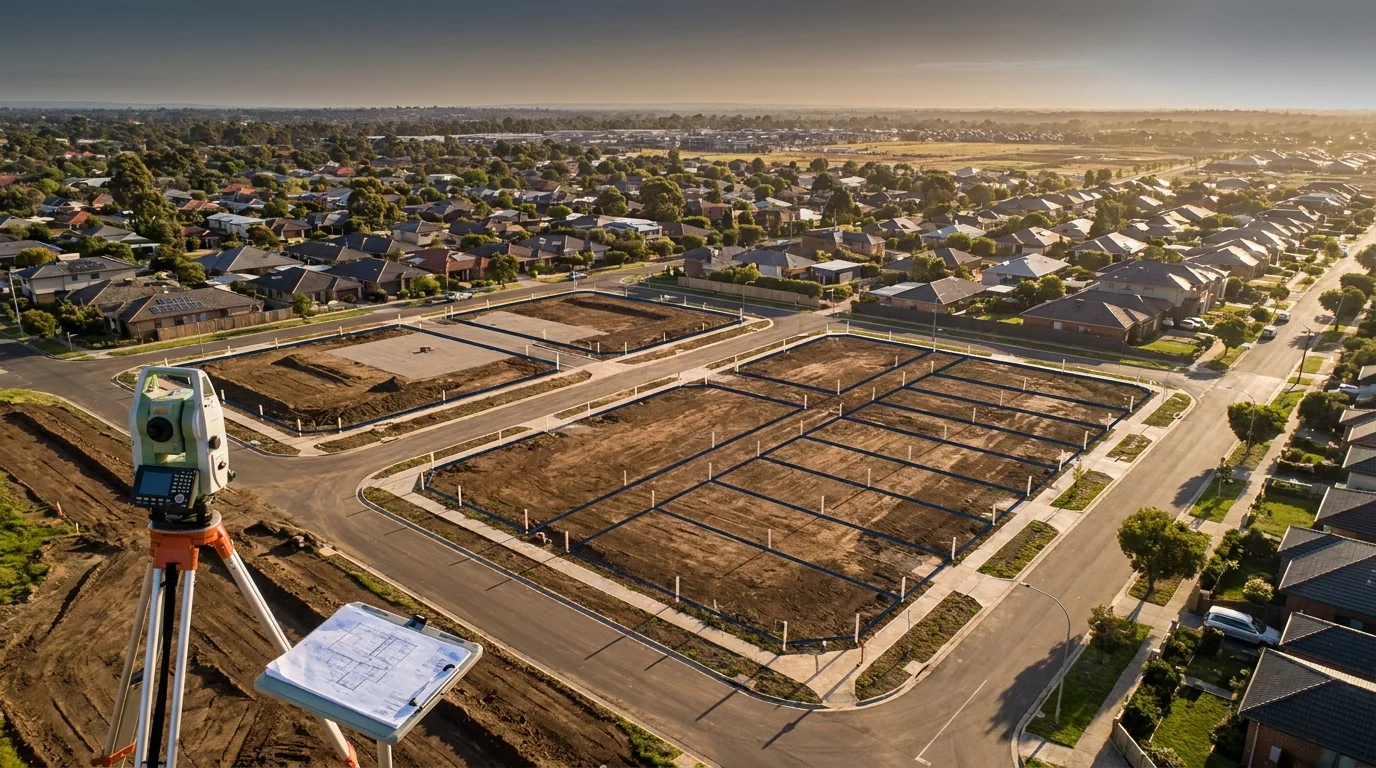
The demand for data storage in Victoria is rising. This growth is driven by the increased use of artificial intelligence and cloud-based services. For property developers and investors, this change creates a specific type of project. These facilities are not like standard warehouses or residential blocks. They are capital-heavy projects that place a high demand on local infrastructure. Successful completion requires a clear understanding of property development law and the Victorian planning system.
The Rise of Data Centres in Melbourne
Melbourne is becoming a preferred location for data centres because of its climate and existing power networks. Areas like Derrimut, Truganina, and the Hume corridor are seeing more of these projects. Unlike a standard commercial subdivision, a data centre project is defined by its consumption of resources. These buildings house thousands of servers that must run without interruption. This means the legal and planning groundwork must be solid before any dirt is moved.
Currently, the property market outlook shows that industrial land with high power capacity is in high demand. If you are a landowner with a large block in an industrial zone, you might be looking at the feasibility of a data centre subdivision. You need to know that councils and referral authorities will look at your application with a high level of attention.
Utilities and Resource Management
The most important issue for any data centre is power. These facilities require a massive amount of electricity to run servers and cooling systems. When you apply for a planning permit, the council will refer your application to the relevant power authority, such as Powercor or United Energy. If the local grid cannot support the load, you may be required to pay for infrastructure upgrades.
Water is another factor. Cooling systems often use large volumes of water. You must show how the site will manage water use and discharge. Fire suppression systems also need to meet strict standards. From a legal perspective, we often see these requirements turned into planning permit conditions. These conditions must be met before a Statement of Compliance is issued under the Subdivision Act 1988.
Planning Permit Conditions and the Planning and Environment Act 1987
All land use in Victoria is governed by the Planning and Environment Act 1987. For a data centre, the council will look at noise, visual impact, and traffic. Even though these facilities do not have many staff, the noise from cooling fans can be a problem for neighbours. The council may require acoustic barriers or specific building materials.
We often assist clients by reviewing these conditions. If a condition is too restrictive or unfair, there may be grounds to challenge it at VCAT. However, the goal is usually to reach an agreement with the council to avoid the delays of a hearing. Recent changes to property development law show that the government is trying to speed up approvals for state-significant projects, but local council rules still apply to most developers.
Section 173 Agreements
It is common for a council to require a Section 173 agreement as a condition of your permit. This is a contract between the landowner and the council that is registered on the title. For data centres, these agreements might cover:
- Ongoing maintenance of landscaping or acoustic walls.
- Restrictions on how the land is used in the future.
- Contributions to local infrastructure.
Because these Section 173 agreements stay with the land, they affect the value of the property. We draft and review these documents to make sure they do not place an unfair burden on the developer or future owners.
The Subdivision Process and Title Registration
Once you have your planning permit, the next step is the subdivision itself. This is governed by the Subdivision Act 1988. This process involves several stages that must happen in a specific order.
Plan of Subdivision
Your licensed land surveyor will prepare a plan of subdivision. This plan shows the new boundaries, easements, and common property. In a data centre project, easements for power and data cables are very important. These must be placed correctly to allow for future maintenance and to protect the service providers.
SPEAR and Referral Authorities
In Victoria, we use the SPEAR system for subdivision applications. This is an online portal that connects the surveyor, the council, the lawyer, and the referral authorities. Referral authorities include companies like NBN, the local water board, and the electricity distributor. Each of these authorities must give their consent before the council can issue a Statement of Compliance.
We work with your surveyor to monitor the SPEAR file. If an authority places a hold on the application, we help resolve the legal or administrative issue. Delays at this stage are common if the utility requirements have not been managed early in the project.
Statement of Compliance (SOC)
The Statement of Compliance is the final hurdle at the council level. It proves that all planning permit conditions have been met. Under the Subdivision Act 1988, a plan is first certified by the council, and the SOC is issued after all conditions are satisfied. This is the green light to move to the final stage: registration at Land Use Victoria.
Legal Lodgement and New Titles
As your lawyers, we handle the final lodgement. We take the certified plan, the SOC, and any other required legal documents to the Registrar of Titles. We also manage the discharge of any existing mortgages and the consent of any parties with an interest in the land. The connection between property and planning is most visible at this stage, as the planning permit conditions directly dictate what can be registered on the title.
When the Registrar is satisfied, the old title is cancelled, and new titles are issued for each lot. For a developer, this is the moment you can settle off-the-plan sales or secure finance against the individual lots.
Risk Management for Developers
Data centre developments carry risks that differ from residential projects. The high cost of specialised infrastructure means that if the project is delayed, the interest costs can be large. There is also the risk of changing technology. A site that is suitable today might need different power or cooling requirements in five years.
To manage these risks, we recommend:
- Early engagement with power and water authorities to confirm capacity.
- A thorough review of the zoning and any overlays on the land.
- Drafting flexible contracts for off-the-plan sales or leases.
- Making sure all easements are correctly identified on the plan of subdivision.
The Victorian government has identified digital infrastructure as a priority. This means there is support for these projects, but the technical requirements remain high. You must have a team that includes an experienced surveyor, a town planner, and a property lawyer who understands the Subdivision Act 1988.
We focus on the legal side of this process. Our job is to make sure your documents are correct and that the path to title registration is clear. We handle the communication with the council and Land Use Victoria so you can focus on the construction and commercial side of the development.
This information is general in nature. Contact us for advice specific to your project.