Subdivision Feasibility Legal Advice for Melbourne Developers

Know the legal risks before you buy. Our due diligence reviews protect your investment.

Legal Due Diligence Before You Commit

A development site might look perfect on paper. Good location, reasonable price, strong demand. But hidden legal issues can derail your subdivision plans entirely. As a subdivision lawyer in Melbourne, we conduct thorough feasibility assessments that identify title restrictions, easement problems, and regulatory obstacles before you sign the contract.

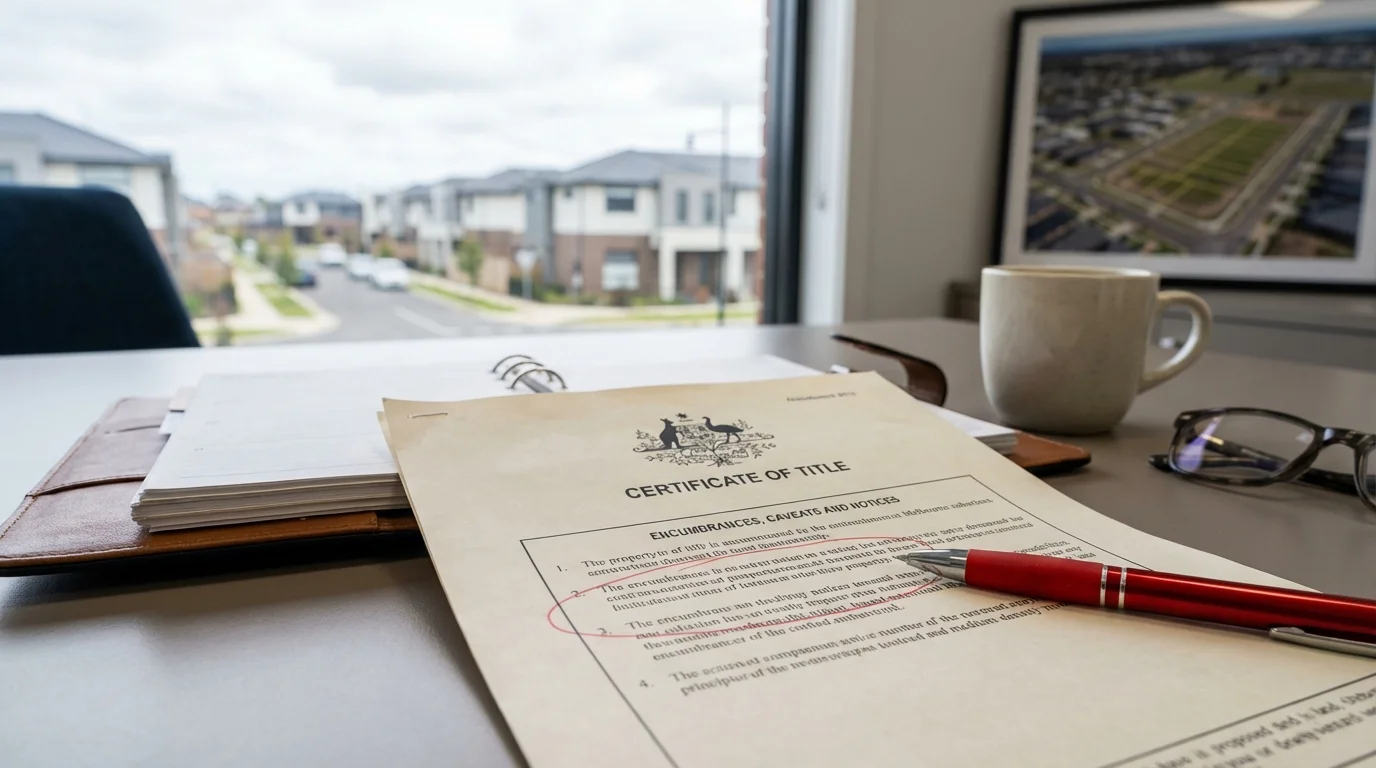
Our legal due diligence goes beyond what a standard conveyancing search reveals. We analyse your proposed Plan of Subdivision against existing title encumbrances, council requirements, and Victorian planning regulations. This early assessment saves you from costly surprises after settlement. Property development law in Victoria is complex. The right legal review upfront makes the difference between a profitable project and an expensive lesson.

Considering a Development Site?

Get legal clarity before making an offer. We review title documents and identify subdivision risks.

What Our Feasibility Review Covers

Three critical areas that determine whether your subdivision can proceed

Lawyer reviewing restrictive covenants on a land title

Restrictive Covenant Analysis

Restrictive covenants can prohibit subdivision outright or limit the number of lots you can create. We review your title to identify any covenants, assess their impact on your plans, and advise on removal or variation options. Some covenants date back decades and may be unenforceable. Others require consent from benefiting landowners. We give you a clear picture of what you're dealing with.

Analysing easements and boundaries on site

Easement and Boundary Review

Easements for drainage, services, or access can significantly affect your lot layout. A sewer easement running through your proposed building envelope changes everything. We map existing easements against your subdivision concept and identify conflicts early. We also review boundary dimensions and any encroachment issues that could delay title registration.

Legal team reviewing Section 173 agreements

Section 173 Agreement Assessment

Existing Section 173 agreements on a property can impose ongoing obligations that transfer to new owners. These might require specific construction standards, landscaping maintenance, or contribution payments. We review any registered agreements, explain your obligations, and assess whether variations are possible. For sites without agreements, we advise on likely council requirements.

Why Legal Feasibility Matters for Land Subdivision in Victoria

Victoria's subdivision legal requirements are more complex than most buyers realise. The planning permit is just one piece of the puzzle. Title encumbrances, council engineering requirements, and referral authority conditions all affect whether your subdivision can proceed as planned.

The Cost of Skipping Due Diligence

We regularly see developers who purchased sites without proper legal review. They discover after settlement that a restrictive covenant prevents multi-unit development. Or that an easement runs exactly where they planned their driveway. Or that a Section 173 agreement requires contributions they hadn't budgeted for. These issues don't just delay projects. They can make them financially unviable.

What Makes Our Approach Different

Standard conveyancing searches show what's on the title. They don't tell you what it means for your subdivision. Our property development lawyer team analyses title documents specifically through the lens of your development intentions. We consider how each encumbrance affects your ability to register a Plan of Subdivision and achieve your target lot yield.

Working With Your Project Team

Effective feasibility assessment requires coordination with your surveyor and planner. We review their preliminary concepts against the legal constraints we identify. This collaborative approach ensures everyone understands the parameters before detailed design work begins. It prevents wasted professional fees on plans that can't be approved.

SPEAR Application Readiness

When you proceed to subdivision, your application goes through the SPEAR system. Council and referral authorities will scrutinise your proposal against the same title issues we identify in feasibility. Our early review means you enter the SPEAR application process with solutions already developed. No surprises, no delays waiting for legal opinions mid-application.

Protecting Your Purchase Decision

Armed with our feasibility report, you can make an informed decision about the site. You might proceed with confidence, knowing the legal path is clear. You might renegotiate the price to reflect identified risks. Or you might walk away from a site that looked promising but carries too much legal complexity. All three outcomes are better than discovering problems after you've committed.
Don't Buy Blind

Our feasibility review gives you the legal clarity to make confident development decisions.

Benefits of Early Legal Review

Why smart developers get feasibility advice before purchasing

Risk Identification

Uncover title restrictions, easement conflicts, and legal obstacles before they become expensive problems.

Accurate Budgeting

Factor in covenant removal costs, Section 173 agreement contributions, and legal fees from the start.

Faster Approvals

Enter the SPEAR application process with legal issues already addressed. Avoid mid-project delays.

Negotiation Power

Use identified legal constraints to negotiate better purchase terms or walk away from unsuitable sites.

Clear Title Path

Understand exactly what's needed to achieve title registration for your proposed lots.

Confident Decisions

Proceed with full knowledge of legal requirements for land subdivision in Victoria.

Common Questions About Subdivision Feasibility

Before you make an offer or sign a contract. The best time is during your initial site assessment phase. We can review title documents while you're still evaluating the opportunity. This gives you maximum flexibility to negotiate terms or walk away if legal issues are significant.

We need a copy of the Certificate of Title and any registered instruments such as covenants, easements, and Section 173 agreements. Your conveyancer or the selling agent can usually provide these. If you have preliminary subdivision plans from your surveyor, those help us assess specific conflicts.

Most reviews take 3 to 5 business days once we have all documents. Complex sites with multiple encumbrances or unusual title histories may take longer. If you're working to a contract deadline, let us know and we'll prioritise accordingly.

Planning feasibility assesses whether council will approve your development under planning scheme controls. Legal feasibility examines title restrictions that operate independently of planning approval. You can have planning approval but still be blocked by a restrictive covenant. Both assessments are essential.

Sometimes. Covenants can be removed or varied through VCAT application if you can demonstrate they're obsolete or that removal won't cause substantial injury to benefiting landowners. The process takes several months and success isn't guaranteed. We assess removal prospects as part of our feasibility review.

We can still help. Our role shifts from pre-purchase advice to problem-solving. We'll assess your options, whether that's covenant removal, easement relocation, or redesigning your subdivision to work within constraints. The solutions may cost more than if identified earlier, but most issues have a path forward.

Yes. Effective subdivision requires your legal, surveying, and planning consultants to coordinate. We regularly work with Melbourne surveyors and planners to ensure everyone understands the legal parameters. If you don't have a surveyor yet, we can recommend firms experienced in Victorian subdivisions.

Ready to Assess Your Development Site?

Contact our Melbourne property development law team for a comprehensive feasibility review.