What Is a Restrictive Covenant?
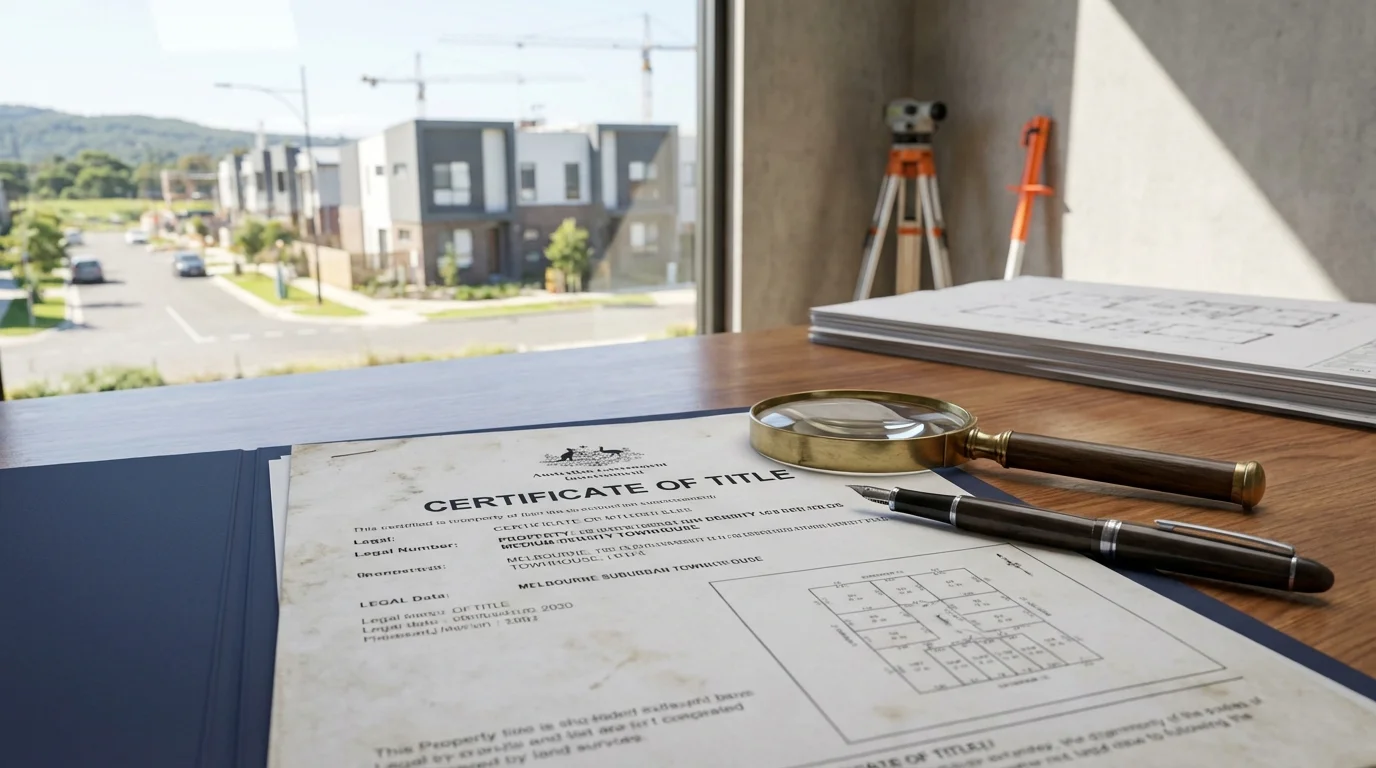
A restrictive covenant is a private agreement registered on a land title that restricts certain uses or activities. Common covenants in Melbourne suburbs include single dwelling requirements, minimum setbacks, building material specifications, and prohibitions on commercial use. These were often created when land was originally subdivided, sometimes 50 or 100 years ago.
The covenant creates two categories: the burdened land (your property, which must comply) and the benefited land (neighbouring properties whose owners can enforce the restriction). Understanding who benefits from your covenant is critical to any removal strategy.
When Can a Covenant Be Removed?
Part 5, Division 2 of the Property Law Act 2023 (Vic) gives the Supreme Court power to modify or discharge restrictive covenants in specific circumstances. The Court may grant an order where:
- The covenant is obsolete due to changes in the neighbourhood character
- The covenant unreasonably impedes reasonable use of the land
- Those entitled to benefit have agreed to the modification
- The proposed modification will not substantially injure beneficiaries
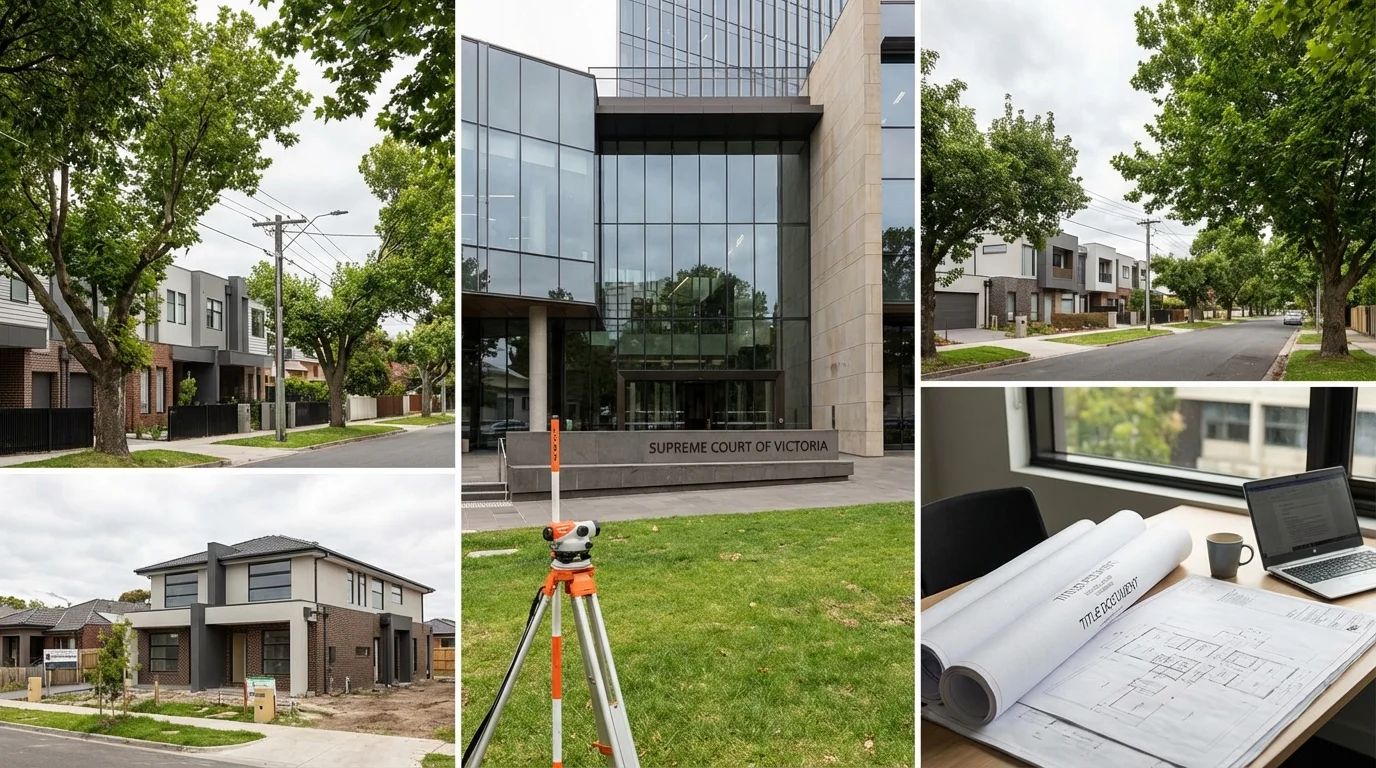
The strongest applications demonstrate that neighbourhood conditions have changed significantly since the covenant was created. A street originally developed with single houses that now contains units and townhouses presents a compelling case for removing a single dwelling covenant.
The Covenant Removal Application Process
Filing an application under the Property Law Act 2023 involves preparing detailed evidence about your property, the covenant's history, and current neighbourhood conditions. We compile planning reports, historical aerial photographs, comparable development approvals, and property valuations to support your case.
All parties who may benefit from the covenant must be notified of your application. This includes current owners of benefited lots and, in some cases, the original covenant creator or their successors. Beneficiaries have the opportunity to object, and contested applications proceed to a hearing where evidence is tested.
Uncontested applications can resolve within three to four months. Contested matters take longer, potentially six to twelve months depending on court scheduling and the complexity of objections raised.
Alternatives to Court Proceedings
Court applications aren't always necessary. Where beneficiaries are identifiable and willing to negotiate, a deed of release can remove covenant restrictions more quickly and at lower cost. We approach beneficiaries on your behalf, negotiate terms, and prepare the legal documentation to release your land from the restriction.
Some covenants also contain sunset clauses or have technical defects that render them unenforceable. A thorough title analysis may reveal these opportunities, avoiding court proceedings entirely.
Integration with Your Subdivision Project
Covenant removal is rarely an isolated legal issue. It connects directly to your planning permit, SPEAR application, and title registration timeline. Our subdivision lawyers handle covenant matters as part of your broader development project, ensuring each step progresses in the right sequence.
We work with your surveyor to prepare the Plan of Subdivision documentation while the covenant application proceeds. Once court orders are obtained, we register them against your title and coordinate final lodgement through the SPEAR system. This integrated approach minimises delays between covenant removal and subdivision completion.