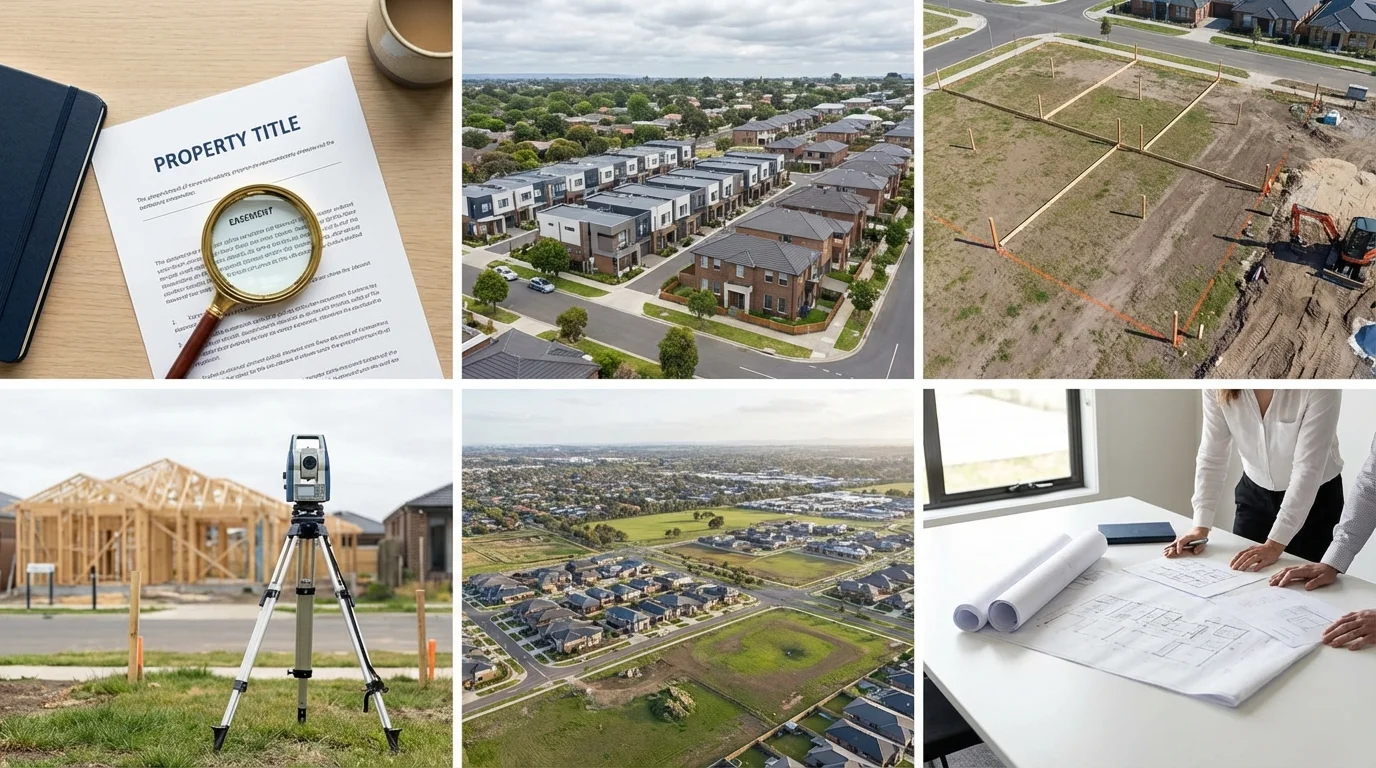
Subdivision Dispute Lawyers Melbourne

Resolve boundary disputes, easement conflicts and neighbour objections blocking your subdivision.

When Subdivision Plans Hit a Roadblock

Subdivision disputes can derail months of planning and thousands of dollars in investment. Boundary disagreements with neighbours, contested easements, and objections during the planning permit stage create costly delays. These conflicts require more than standard conveyancing knowledge. They demand focused legal intervention.

At Subdivide-Land.com.au, our subdivision dispute lawyers work with property investors, developers and homeowners across Melbourne and Victoria to resolve conflicts that threaten your Plan of Subdivision. Whether you're facing a contested Section 173 agreement, disputed boundary lines, or objections lodged through the SPEAR system, we provide direct property development legal advice to get your project back on track.

Part of Sutton Laurence King Lawyers, our boutique property development law firm handles disputes at every stage. From initial VCAT representation to land subdivision litigation, we protect your development rights.

Subdivision Blocked by a Dispute?

Talk to a Melbourne subdivision lawyer about your options today.

How We Resolve Subdivision Planning Issues

Targeted legal strategies for common subdivision conflicts in Victoria

Boundary dispute marker on a subdivision site

Boundary Disputes and Survey Conflicts

Disagreements over property boundaries can stop a Plan of Subdivision in its tracks. Old fences built in the wrong location, conflicting survey data, and adverse possession claims all create uncertainty. We work with your surveyor to establish accurate boundaries, negotiate with neighbouring landowners, and pursue legal remedies when agreement isn't possible. Our goal is clear title registration without lingering disputes.

Victorian Civil and Administrative Tribunal VCAT representation

VCAT Representation for Planning Objections

When council refuses your planning permit or neighbours lodge formal objections, the Victorian Civil and Administrative Tribunal becomes your next step. We represent developers and landowners at VCAT hearings, preparing submissions that address planning scheme requirements and counter objections. Strong advocacy at this stage can save your entire project.

Legal review of easements and covenants

Easement and Covenant Disputes

Existing easements for drainage, services or access can complicate subdivision plans. Restrictive covenants may limit lot sizes or building types. We review title documents, negotiate easement modifications with affected parties, and apply to remove or vary covenants where legally possible. This clears the path to register your plan of subdivision without encumbrances derailing settlement.

Property Development Legal Advice for Complex Disputes

Section 173 Agreement Disputes

Section 173 agreements bind landowners to specific obligations as a condition of planning approval. These might include infrastructure contributions, landscaping requirements, or restrictions on future use. Disputes arise when councils demand unreasonable terms, when existing agreements conflict with new development plans, or when previous owners failed to comply with registered obligations.

Our subdivision dispute lawyers review proposed Section 173 agreements before you sign, negotiate amendments with council, and represent you in disputes over compliance. Understanding the Section 173 agreement cost implications upfront prevents expensive surprises during title registration.

Neighbour Objections and Party Wall Issues

Multi-lot subdivisions often trigger objections from adjacent landowners. Common concerns include overlooking, overshadowing, traffic impact, and changes to neighbourhood character. Some objections have merit. Others are tactical delays.

We analyse each objection against planning scheme requirements and help you respond effectively. Where genuine concerns exist, we negotiate modifications that satisfy objectors without compromising your development. Where objections lack planning basis, we prepare robust submissions for council or VCAT.

Party wall arrangements in townhouse developments create additional complexity. Who owns the wall? Who maintains it? What happens if one owner wants to demolish? We draft party wall agreements and Owners Corporation rules that prevent future disputes between lot owners.

SPEAR Application Disputes and Title Registration Delays

The SPEAR system processes all plan of subdivision applications in Victoria. Errors in SPEAR applications, outstanding council requirements, or unresolved requisitions from Land Use Victoria cause registration delays. These delays cost money. Settlement dates pass. Finance approvals expire.

As a SPEAR application lawyer Victoria developers trust, we identify and resolve issues blocking your application. We liaise with Land Use Victoria, respond to requisitions, and ensure your plan meets all requirements for registration. When disputes arise with other parties shown on title, we pursue resolution through negotiation or litigation.

Land Subdivision Litigation

Some disputes cannot be resolved through negotiation. Fraudulent boundary claims, contested ownership, and breach of contract by joint venture partners may require court proceedings. We handle land subdivision litigation in the County Court and Supreme Court of Victoria, protecting your property rights through formal legal process.

Litigation is expensive and time-consuming. We recommend it only when other options have failed and the stakes justify the investment. Before commencing proceedings, we provide realistic assessments of costs, timeframes, and likely outcomes.
Need to Hire a Subdivision Lawyer in Melbourne?

We resolve disputes that block your Plan of Subdivision registration.

Why Choose Our Subdivision Dispute Lawyers

Focused property law practice for Melbourne developers and landowners

Property Development Focus

We concentrate on property development law. Subdivision disputes are our daily work, not an occasional sideline.

Results-Driven Approach

Clear strategies aimed at registration. We measure success by getting your plan registered, not by hours billed.

Fast Response Times

Subdivision delays cost money. We respond quickly to urgent issues and keep your project moving.

Direct Communication

You deal with lawyers who know your file. No call centres, no junior staff screening your enquiries.

VCAT Experience

Regular appearances at VCAT for planning disputes. We know the tribunal process and what wins cases.

Commercial Understanding

We understand development feasibility. Legal advice considers your project timeline and budget constraints.

Subdivision Dispute FAQs

Costs depend on dispute complexity and resolution method. Simple boundary negotiations may cost $2,000 to $5,000. VCAT representation typically ranges from $5,000 to $15,000. Court litigation starts from $20,000 and increases with trial duration. We provide fixed-fee quotes for defined work and cost estimates for disputes requiring ongoing representation.

First, understand the basis of their objection. If lodged formally through council, you'll have opportunity to respond. We review objections against planning scheme requirements to assess their merit. Often, minor design modifications satisfy legitimate concerns. Where objections lack planning basis, we prepare submissions demonstrating compliance and advocate at council or VCAT.

Negotiated settlements can resolve within weeks. VCAT hearings typically occur 6 to 9 months after lodging an application. Court proceedings take 12 to 24 months depending on complexity and court availability. We work to resolve disputes as quickly as possible, recognising that delays impact your development timeline and holding costs.

Usually yes, but the easement must be shown on your Plan of Subdivision. Some easements can be relocated or extinguished with consent from benefiting parties. Others, particularly drainage easements benefiting Melbourne Water, cannot be removed. We review your title, identify all registered interests, and advise on options for proceeding with subdivision.

Section 173 agreements are contracts between landowners and councils, registered on title. Disputes arise over proposed terms during planning, compliance with existing agreements, or attempts to vary or remove agreements. Common issues include excessive infrastructure contributions, unreasonable maintenance obligations, and conflicts between old agreements and new development plans.

Legal representation isn't mandatory at VCAT, but it significantly improves outcomes for complex matters. VCAT has formal procedures, evidence rules, and planning law requirements that experienced lawyers handle efficiently. For straightforward matters, we can prepare submissions for you to present yourself. For contested hearings, professional representation is strongly recommended.

Get Your Subdivision Back on Track

Contact our Melbourne subdivision dispute lawyers for practical advice on resolving your property conflict.