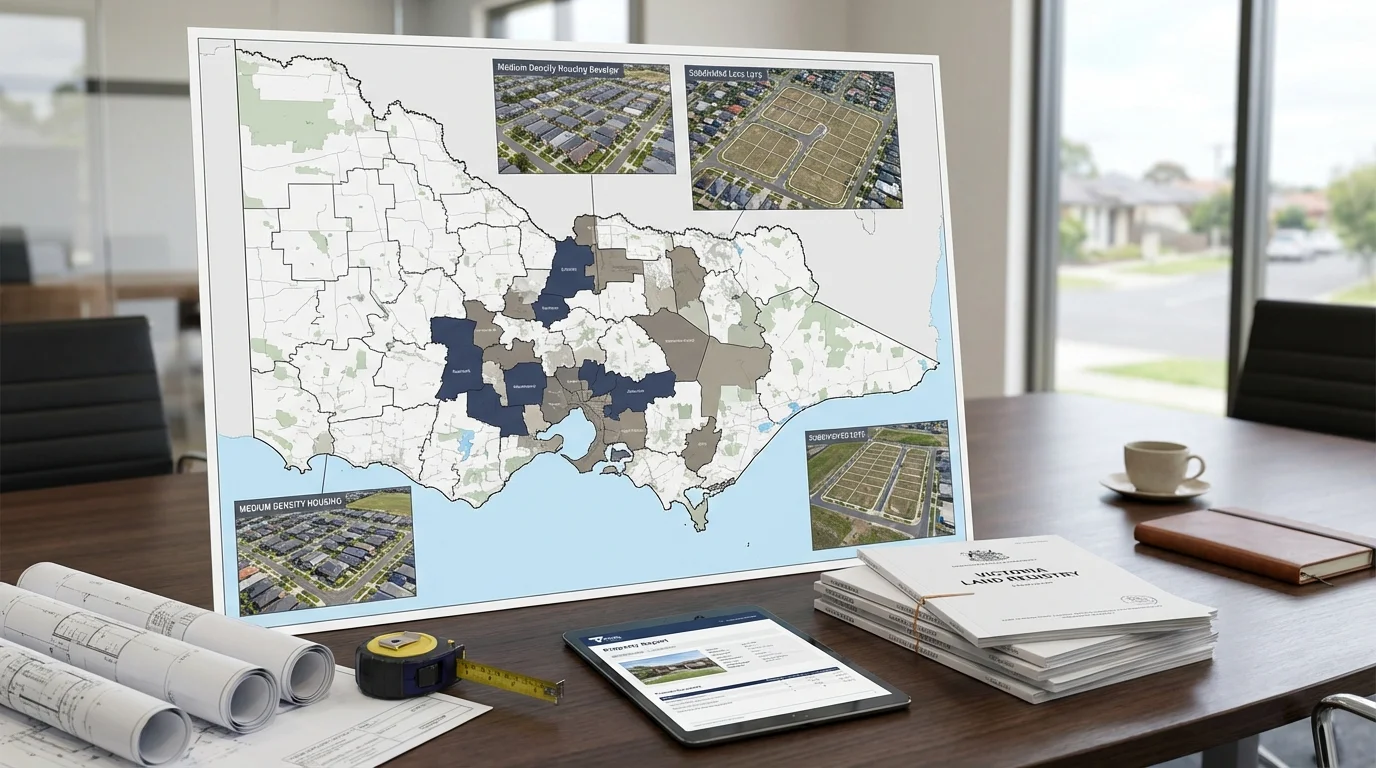
When Does GAIC Apply?
GAIC is triggered by specific events on land within designated growth areas. The most common triggers are subdivision (when you register a Plan of Subdivision), building permit applications for certain developments, and changes of use. The contribution is calculated based on the number of lots created or the type of development proposed.
Not all land in growth areas attracts GAIC. Land that was already developed before the GAIC scheme commenced, or land used for certain purposes like farming, may be exempt or have reduced liability. We review your title and planning history to identify any exemptions that apply.
Understanding GAIC Deferral Options
A GAIC deferral lawyer Melbourne can help you postpone payment in specific circumstances. Deferrals are available for hardship cases, where land is being held for future development, or where payment would cause genuine financial difficulty. The deferral process requires detailed applications to the State Revenue Office, supported by financial evidence and development timelines.
We've assisted developers across Wyndham, Melton, and Casey with successful deferral applications. The key is demonstrating a legitimate reason for deferral and providing a realistic payment schedule.
GAIC and Your Subdivision Timeline
GAIC obligations interact directly with your subdivision process. When you lodge a SPEAR application with Land Use Victoria, your GAIC status is checked. Outstanding GAIC liabilities can delay title registration until payment is made or a payment arrangement is in place.
Our approach integrates GAIC management with your broader subdivision strategy. We coordinate with your surveyor and planner to ensure GAIC matters don't hold up your Plan of Subdivision registration. If you're preparing off the plan contract documentation, we ensure GAIC obligations are properly disclosed to purchasers.
Section 173 Agreements and GAIC
Some councils require Section 173 agreements that include GAIC-related conditions. These agreements may require developers to contribute to local infrastructure in addition to GAIC payments. We review proposed Section 173 agreement terms and negotiate where conditions are unreasonable or duplicative.
The Section 173 agreement cost can be significant when combined with GAIC. We help you understand the total infrastructure contribution burden before you proceed with a growth area development.
Due Diligence for Growth Area Land
Before purchasing land in Melbourne's growth corridors, GAIC due diligence is essential. We conduct searches to determine current GAIC liability, any existing payment arrangements, and whether previous owners have triggered contributions that remain unpaid. Unpaid GAIC becomes a charge on the land, which means liability can transfer to new owners.
Our due diligence service provides a clear picture of GAIC exposure before settlement. This information is critical for accurate feasibility analysis and offer pricing.