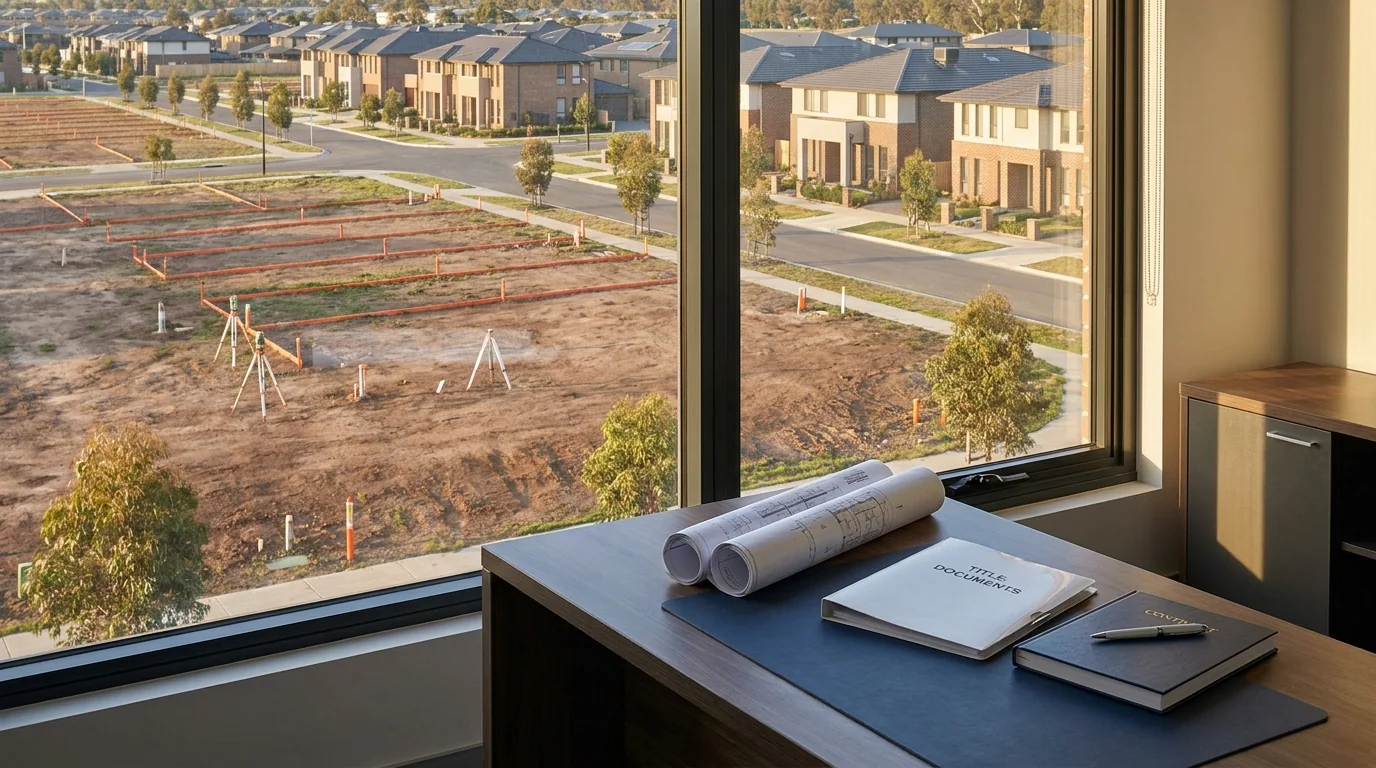
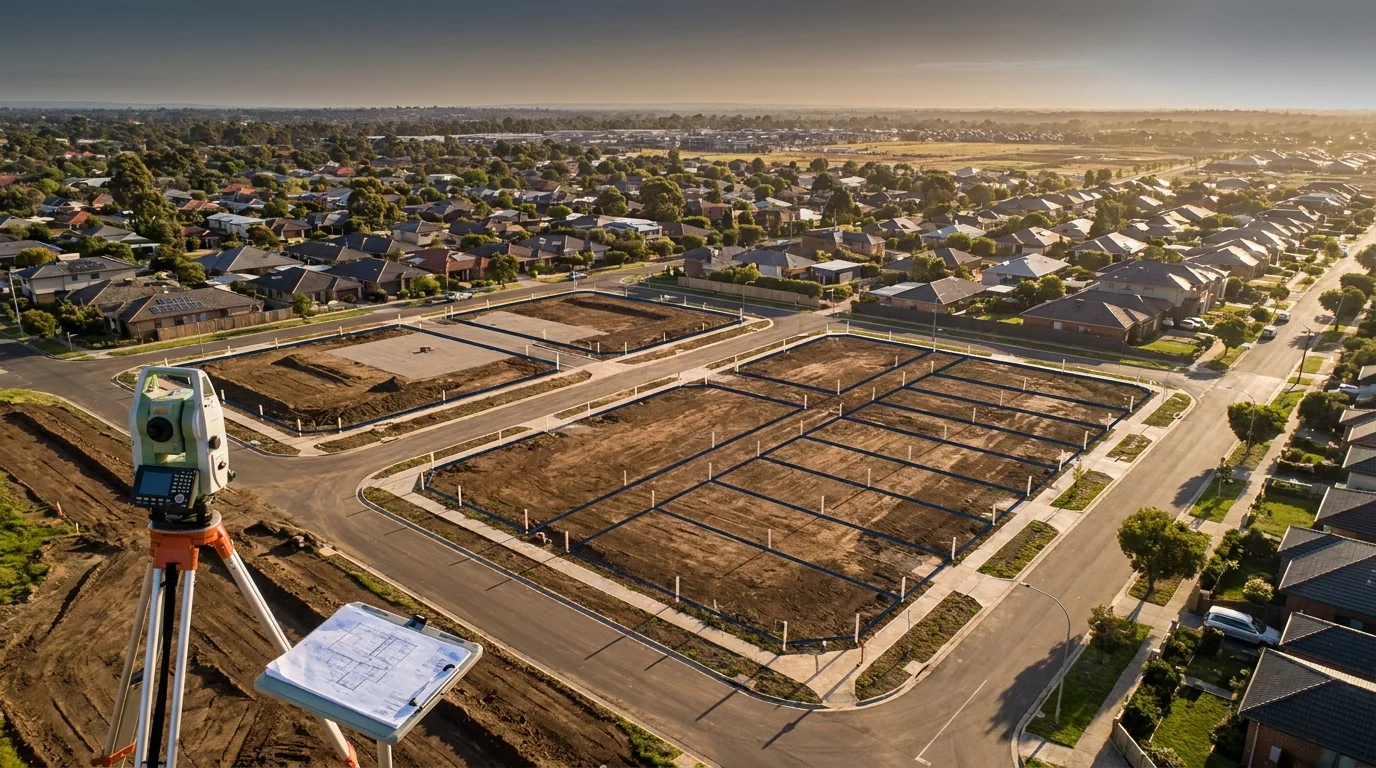
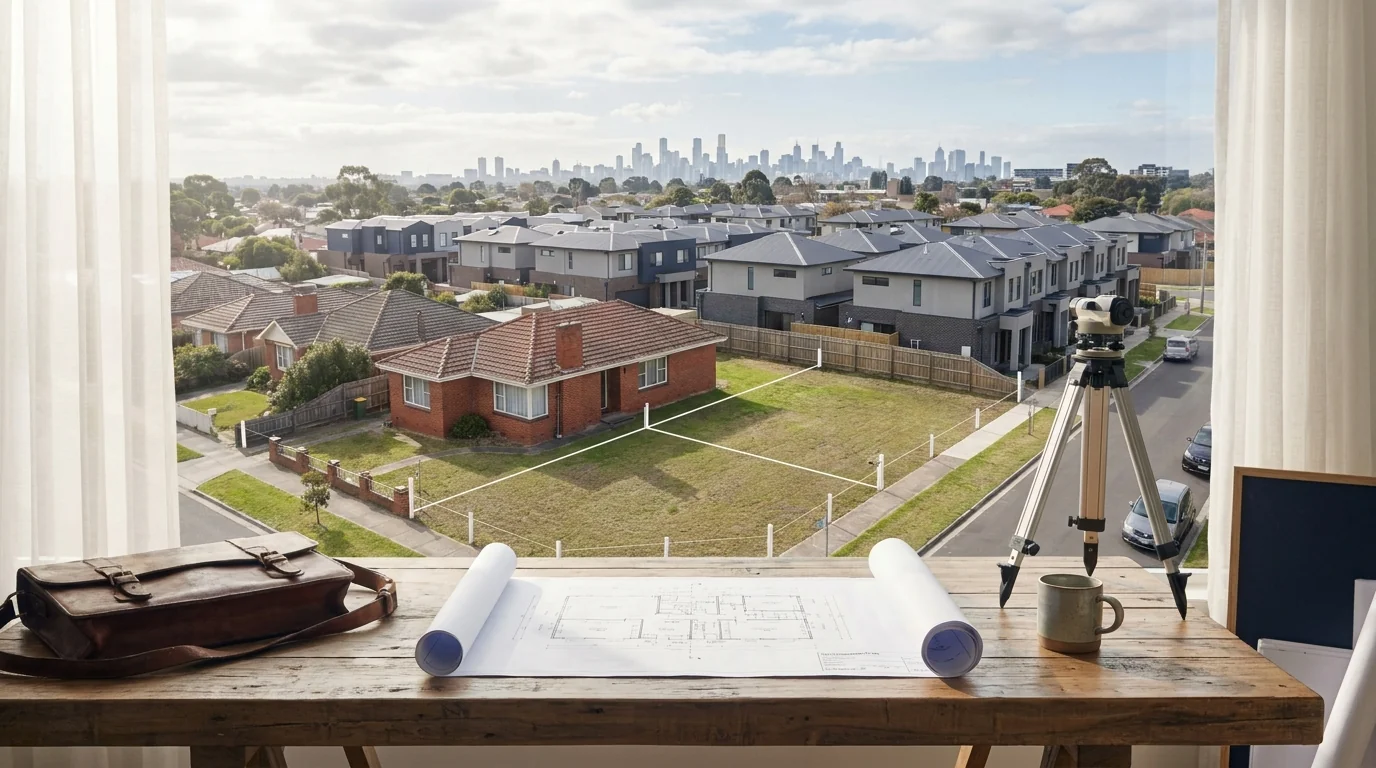
Melbourne is home to a significant number of properties still registered under the Strata Titles Act 1967. These older titles carry an RP (Registered Plan) or SP (Strata Plan) prefix and operate differently from the modern plans of subdivision used today. For a developer or investor, these legacy structures create specific legal hurdles that can stall a project before it begins. Converting an old strata scheme into a modern Strata Subdivision under the Subdivision Act 1988 is the most effective way to facilitate redevelopment.
The primary issue with legacy plans is how they define what you actually own. A modern plan defines boundaries by surveyed lines, bearings, and distances. An old strata plan usually defines boundaries by the building itself. Your ownership generally ends at the median of the structure for walls, floors, and ceilings, unless the plan legend states otherwise. If you intend to demolish a building or add a second storey, you are proposing to move or destroy the legal boundaries of the property. This requires a formal legal conversion and new Title registration.
Old Strata Plans Versus a Modern Strata Subdivision
Before 1988, building subdivision in Victoria was governed by the Strata Titles Act 1967. These plans suited simple blocks of flats where shared maintenance was the main concern. They were not designed for the high density needs of the current Australian housing system. If you own a unit on an old RP or SP plan, the airspace above your roof or the soil beneath your floor may be common property owned by the Owners Corporation.
A modern plan of subdivision gives developers far more control over how lots and common property are partitioned. Modern plans also permit multiple Owners Corporations, including limited Owners Corporations responsible only for specified common property. This structure ensures that only the residents who benefit from a particular driveway or garden pay for its upkeep. A modern plan also provides the clarity lenders require to approve construction finance and the certainty buyers expect from their purchase.
Identifying Boundary Risks in Your Development
Examine the original strata plan carefully. Thick continuous lines indicate boundaries defined by structures. This means the walls themselves form the boundary. If those walls are removed during a renovation or rebuild, the boundaries of the lot become uncertain. This causes substantial delays at Land Services Victoria (formerly Land Use Victoria) when you later try to sell, refinance, or register a new plan.
Common property creates further challenges. In many older villa unit developments, the driveway and all garden areas are common property. A homeowner who wants to build a second unit in a large backyard that is technically common property cannot simply start building. The land must first be redistributed, which requires a unanimous resolution of the Owners Corporation under section 32 of the Subdivision Act 1988. This is a complex legal process for dual occupancy that involves redrawing the plan and adjusting lot entitlement and lot liability.
How to Convert an Old Strata Title to a Modern Strata Subdivision
The conversion requires a coordinated effort between your surveyor and your lawyer. It is not a matter of filing a form. The process generally follows these stages:
- Survey and Plan Preparation: A licensed surveyor measures the site and prepares a new Plan of Subdivision under the Subdivision Act 1988. This plan replaces the old RP or SP plan.
- Planning Permit: You apply to the local Council for a permit to subdivide under the Planning and Environment Act 1987. Council assesses matters such as site coverage, car parking, and neighbourhood character.
- Owners Corporation Consent: Because the conversion alters common property, section 32 of the Subdivision Act 1988 requires a unanimous resolution. If one owner objects, section 34D of the Act allows an application to VCAT, but the tribunal can only intervene in limited circumstances, such as where a member cannot be found or it is impracticable to obtain their vote. Early negotiation with all owners is far more reliable than litigation.
- Legal Documentation: We prepare the necessary legal paperwork, including the application to alter the Register and any new Owners Corporation rules.
- SPEAR Lodgement: Victoria manages most subdivision applications through SPEAR (Surveying and Planning through Electronic Applications and Referrals). This system allows the surveyor, Council, and lawyer to track the application in real time.
Managing Section 173 Agreements
During the planning permit stage, Councils often require the owner to enter into a contract known as a Section 173 Agreement. This agreement is registered on the title and binds future owners to conditions such as maintaining a specific building design or protecting certain trees. These agreements are a standard part of the Victorian planning system. You can read more about how they work in our guide to understanding Section 173 agreements. We review these documents to ensure the terms do not unfairly restrict your future use of the land.
The Role of Lot Entitlement and Lot Liability
When you convert an old strata plan, you must also reassess lot entitlement and lot liability, which older plans describe as unit entitlement and unit liability. Lot liability determines each owner's share of Owners Corporation fees. Lot entitlement determines the value of an owner's vote and their share of the common property and assets if the scheme is ever wound up. Older plans often split these figures equally regardless of the size of the units. In a modern Strata Subdivision, the figures should reflect the size and market value of each lot. Correcting them during the conversion prevents future disputes between neighbours.
In our experience, clear governance and well defined boundaries lead to better outcomes for residents and higher property values, as shown in research into strata management effectiveness. Developers who modernise their titles also find the finished properties easier to market to buyers who are wary of old strata complications.
Finalising Title Registration at Land Services Victoria
Once Council issues a Statement of Compliance, the final step is Title registration at Land Services Victoria. The old RP or SP plan is formally cancelled and new Titles issue for the modern lots. This step is where many inexperienced developers face delays. If the legal documents do not align precisely with the surveyor's plan, Land Services Victoria will issue a requisition, which can stop the process for weeks. Our role is to ensure all legal requirements are met so the new titles issue without unnecessary correspondence with the Registrar.
Converting an old strata title is a technical exercise. It requires a clear understanding of both the 1967 Act and the current 1988 Act. The conversion adds an upfront cost to a development, but the increase in land utility and the removal of boundary ambiguity usually far outweigh the expense. If you are assessing a site with an old strata plan, your first step should be to obtain a current title search and a copy of the original plan to see exactly where your boundaries lie.
This information is general in nature. Contact us for advice specific to your project.