Why Councils Require Section 173 Agreements
Local councils in Victoria use Section 173 agreements to manage risk. When a planning permit requires infrastructure that cannot be completed before subdivision registration, councils need assurance the work will happen. A registered agreement on title provides that security. It runs with the land, meaning any future owner inherits the obligations.
Common triggers for Section 173 agreements include road construction contributions, stormwater drainage works, public open space requirements, and landscaping maintenance bonds. Your planning permit conditions will specify what council requires.
The Registration Process
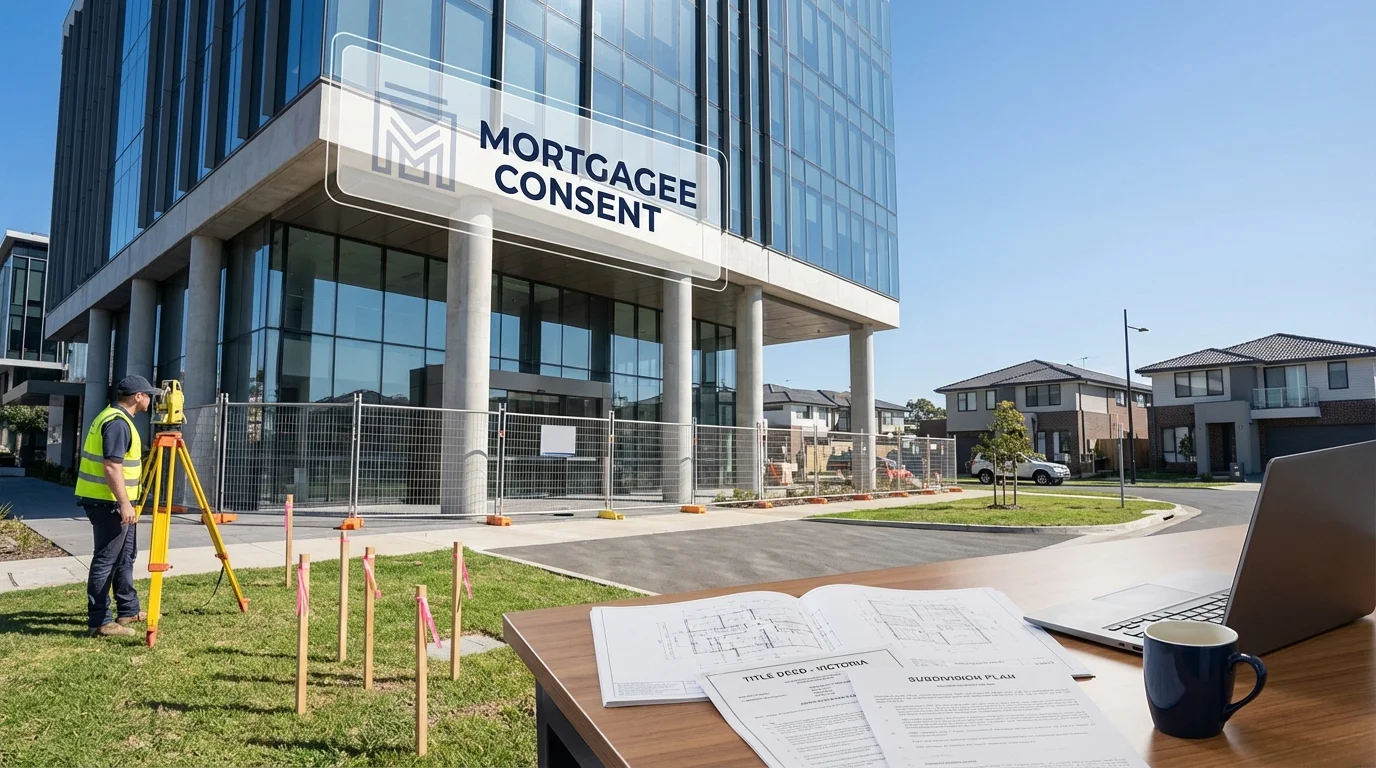
Registering a Section 173 agreement involves multiple parties. Council prepares the initial draft based on your permit conditions. We review this draft and negotiate amendments where terms are unreasonable or unclear. Once agreed, all landowners must sign. If you have a mortgage, your bank must also provide written consent.
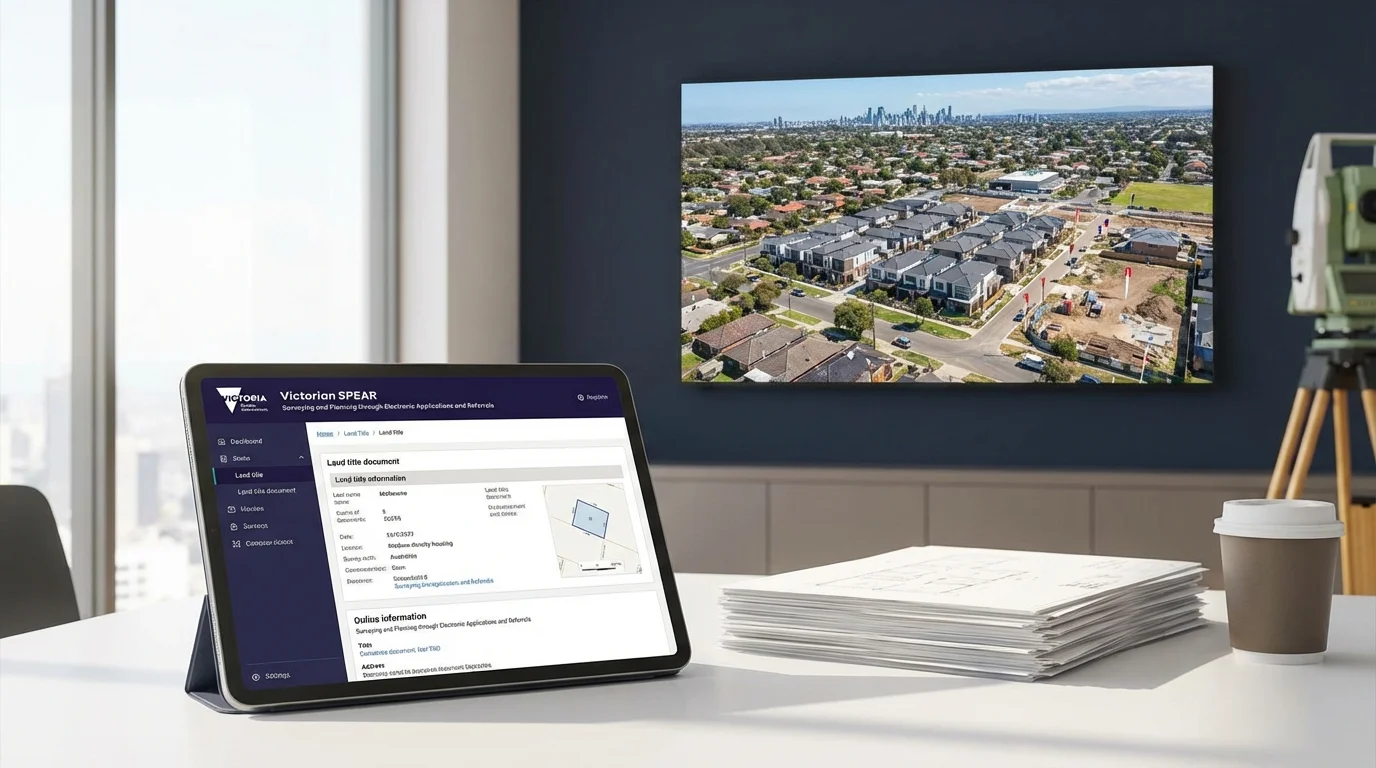
The signed agreement then lodges through the SPEAR system alongside your Plan of Subdivision. Land Use Victoria reviews the documents and, if satisfied, registers both the agreement and your new titles simultaneously.
Section 173 Agreement Cost Breakdown
Your total Section 173 agreement cost includes several components. Council charges a preparation fee, typically ranging from $500 to $2,000 depending on complexity. Legal fees cover our review, negotiation, and lodgement work. While the Plan of Subdivision registration fee is calculated per lot, the fee for registering the Section 173 Agreement itself is typically a flat fee per instrument.
The real cost risk lies in delays. Poorly drafted agreements or missing mortgagee consent can stall your entire subdivision for weeks. Our property development lawyers Melbourne focus on getting agreements right the first time. This protects your project timeline and reduces holding costs on your development finance.
What Happens After Registration
Once registered, the Section 173 agreement appears on your title as an encumbrance. Future purchasers will see it during their title searches. This is important if you're preparing off the plan contract preparation Melbourne documents. Buyers need to understand any ongoing obligations attached to their lot.
Some agreements include sunset clauses that allow removal once obligations are met. Others remain permanently. We advise on the implications during our initial review, so you understand the long-term impact on your property's value and saleability.
Working With Your Project Team
Section 173 agreements don't exist in isolation. They connect to your planning permit, your surveyor's Plan of Subdivision, and your development timeline. We coordinate with your surveyor, planner, and council to ensure the agreement terms match what's actually being delivered on site.
This collaborative approach prevents last-minute surprises. When your register plan of subdivision lawyer understands the full picture, we can anticipate issues and resolve them before they affect your settlement dates or construction schedule.